
Posted by Duro Span 10/30/26
How Long Does a Quonset Hut Last?
How long does a Quonset hut last? What really determines an arch steel building's lifespan — steel coating, gauge, foundation, ventilation and maintenance.
How long does a Quonset hut last? What really determines an arch steel building's lifespan — steel coating, gauge, foundation, ventilation and maintenance.

Search for a Quonset hut and you'll find used ones for sale on marketplace sites, farm auctions and classified listings, often at prices that make a new kit look expensive. Sometimes a used building is a good deal.

Road salt, sand, gravel, fertilizer and grain all have the same basic storage problem. You have a lot of loose material that has to stay dry, and you need loaders and trucks to get in and out of it easily. That's why arch steel buildings are one of the most common choices for bulk storage, and why we sell many of our buildings for salt storage in particular.
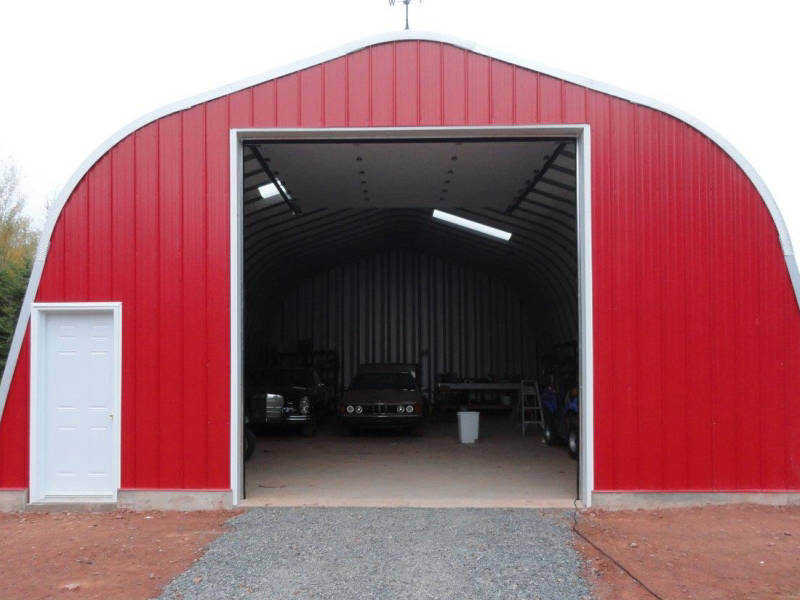
You've picked your size, signed off on the quote and placed the order. The next big milestone is the day a truck pulls up with your building on it. A little preparation makes that day go smoothly, and it protects the steel you just paid for. Here's what to expect and what to have ready.
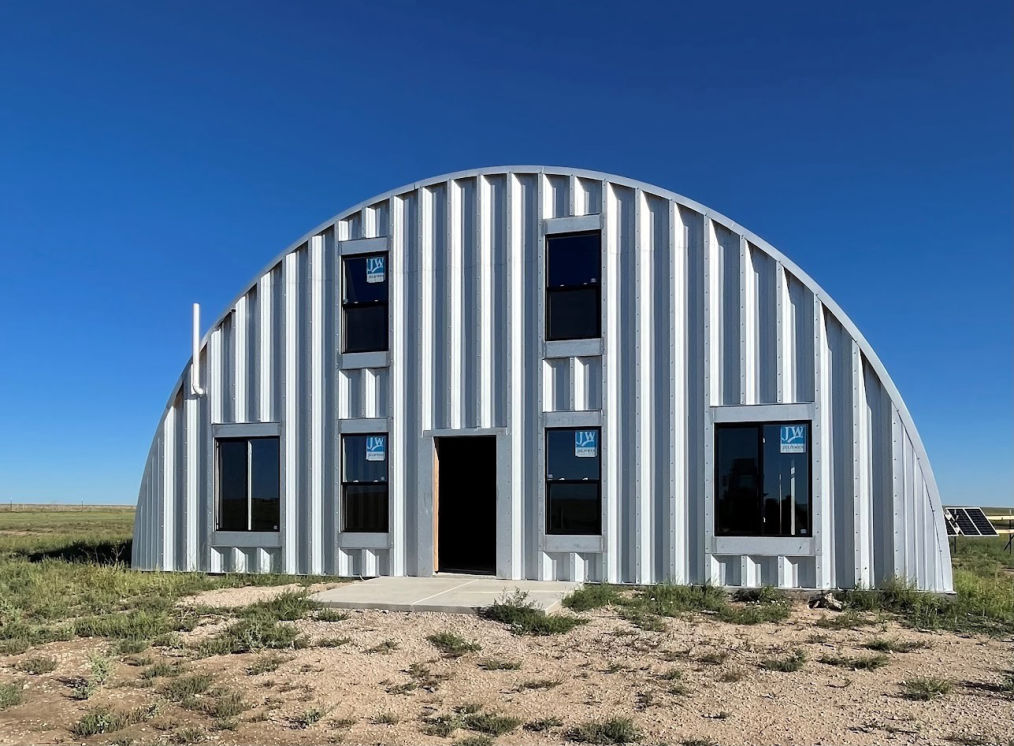
You walk into your steel building on a cool morning and the inside of the arch is beaded with water. Sometimes it drips. Owners often call this "sweating," and it's one of the most common questions we get once the weather turns. The good news is that condensation has a clear cause, and it's very manageable once you know what's driving it.
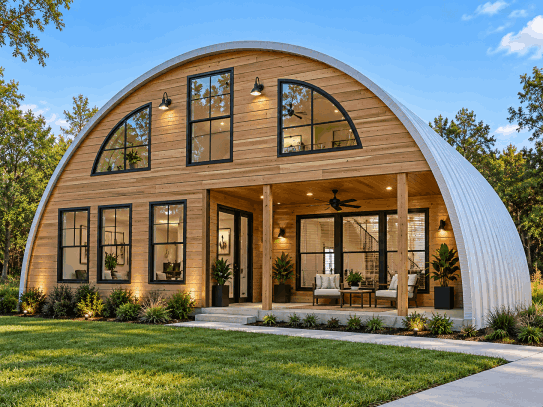
When most people think of a Quonset hut, they picture a traditional steel structure used for agricultural storage, workshops, or equipment protection. But homeowners, architects, and creative builders are discovering something exciting:a Quonset hut can also become the foundation for a stunning, modern home.

Put three steel building quotes side by side and the totals can be thousands of dollars apart. Sometimes that’s a real price difference. More often, the quotes describe three different buildings. Before you choose the lowest number, run each quote through this checklist.

An arch steel building’s shell does the heavy lifting, but accessories decide how well it works day to day — how you get in, how much light reaches the floor, whether moisture builds up inside. These are far easier to plan before your building ships than to retrofit later. Here’s what’s available and how to think about each.

“What size do I need?” is the first real question in almost every Quonset hut project. Buy too small and you outgrow it in a season; buy too big and you’ve paid for steel, concrete and freight you didn’t need. Here’s how arch building sizes work, the size ranges people actually buy, and how to land on the right one.
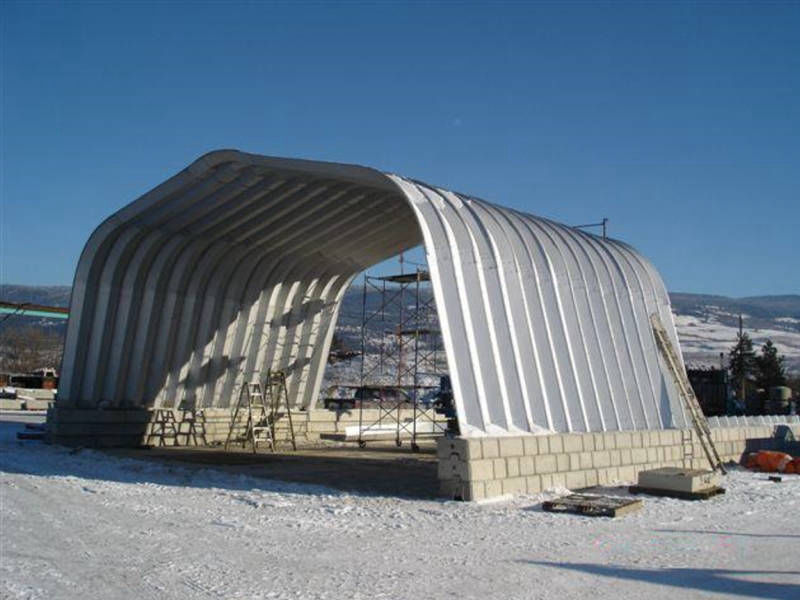
Most people shopping for an arch steel building know the classic Quonset shape. But Duro Span builds several series, and two of them solve problems the classic arch doesn’t: the compact M-Series and the peaked-roof A-Series. If you’ve already read our [Q-Series vs. S-Series vs. G-Series comparison], this covers the rest of the lineup.
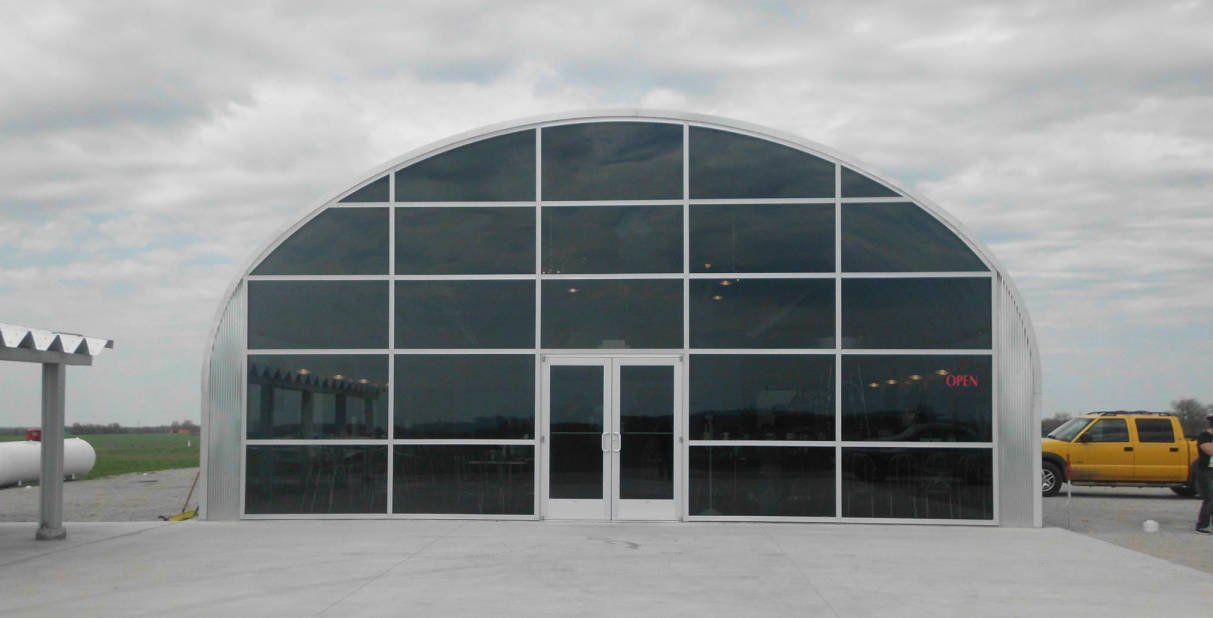
When you compare arch steel building prices, it’s easy to assume every number covers the same thing. It doesn’t. One quote might include end walls and engineering for your exact location; another might be a bare set of arches priced to look low. Knowing what a kit price covers — and what sits outside it — is the difference between a realistic budget and a surprise halfway through your project.
Commercial storage is about maximizing usable square footage.
Every column, unnecessary partition and obstruction inside a warehouse affects how efficiently inventory, equipment and vehicles can be arranged.
That's where clear-span arch steel construction offers a major practical advantage.

For many collectors, one car becomes two. Two becomes four. Before long, the home garage is full and vehicles are being parked wherever space is available. At that point, adding another residential garage may not provide the space or flexibility you need.
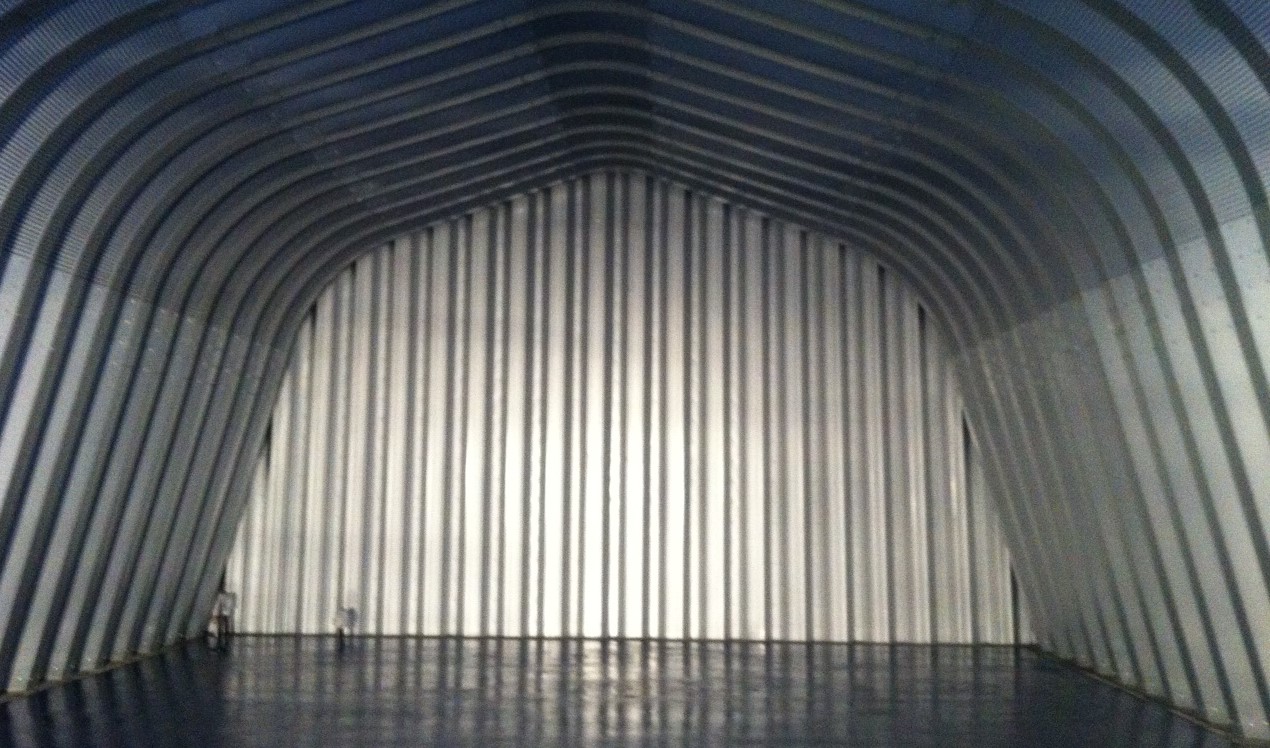
RVs, motorhomes, fifth wheels and boats represent substantial investments, yet many spend most of their lives sitting outdoors. Sun, rain, wind and exposure can take a toll on recreational vehicles and boats. Building dedicated covered storage can help protect that investment while also giving you space for tools, accessories and maintenance.
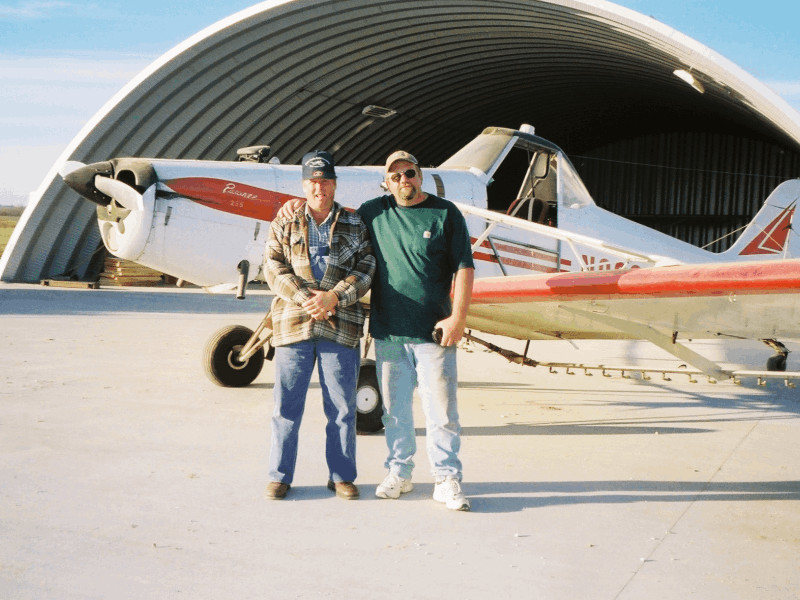
An airplane hangar has one primary job: provide enough protected, unobstructed space for the aircraft. That makes clear-span construction particularly valuable.
Duro Span arch steel buildings are self-supporting structures that do not require rows of interior columns or roof trusses throughout the main floor area. The result is open interior space that can be used for aircraft storage, maintenance equipment, tools and other aviation needs.

A good workshop needs more than four walls and a roof. Whether you're building a mechanic shop, welding area, woodworking shop, equipment repair building or simply a place to work on weekend projects, the layout of the building can make a major difference. That's one reason many property owners consider a Quonset hut workshop or arch steel building.
Every steel building quote should reference wind and snow load ratings, but if you're not in construction or engineering, the numbers themselves don't mean much on their own. Here's what they actually represent, why they're not optional, and how they affect what you're buying.

Standard Q-Series, S-Series, and G-Series buildings cover most projects, but not every site, use case, or budget fits neatly into a standard configuration. Here's when it makes sense to look at a custom arch steel building instead — and what "custom" actually means in practice.

Shipping containers have become a popular, affordable base for storage, workshops, and even living space — but a flat container roof has real limitations. A container roof kit solves those problems by adding an arched steel cover over one or more containers, and it's a smaller-scale application of the same arch design used in full steel buildings.

An arch steel building's foundation does more work than people expect. Because the arch design carries structural load down through the panel edges into the perimeter rather than through internal columns, getting the foundation right isn't just about the floor — it's part of the building's overall engineering. Here's how the common options compare.

If you've been comparing steel building quotes, you've probably run into the term "gauge" without a clear explanation of what it actually tells you. It's one of the most important specs on the sheet, and it's worth understanding before you compare buildings on price alone.
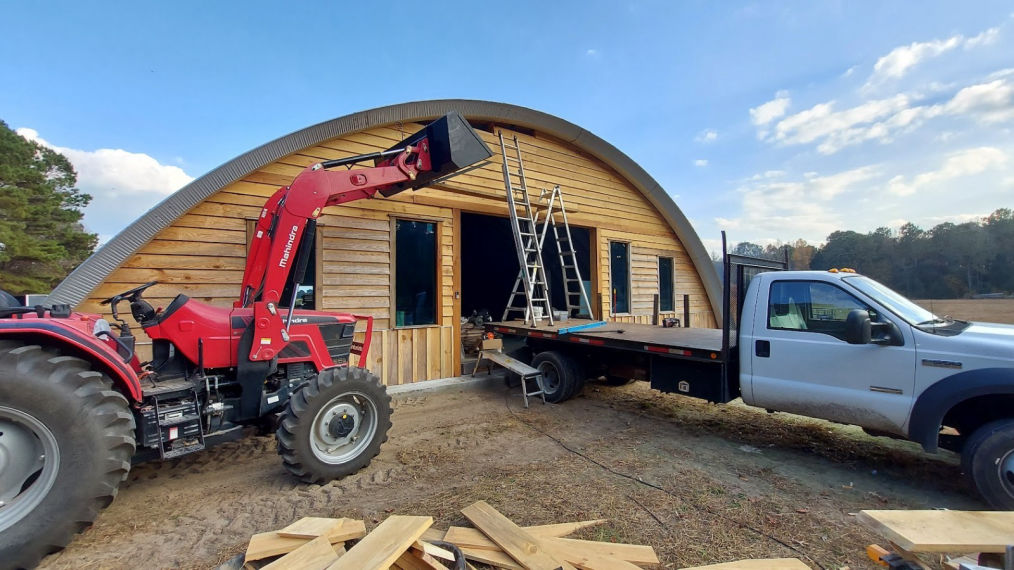
An arch steel building's bare metal shell is built for durability, not temperature control — so if you're planning to use the space year-round, for livestock, a workshop, or anything temperature-sensitive, insulation is worth planning for before the building arrives, not after. Here's a look at the common options and how to think about which one fits your project.
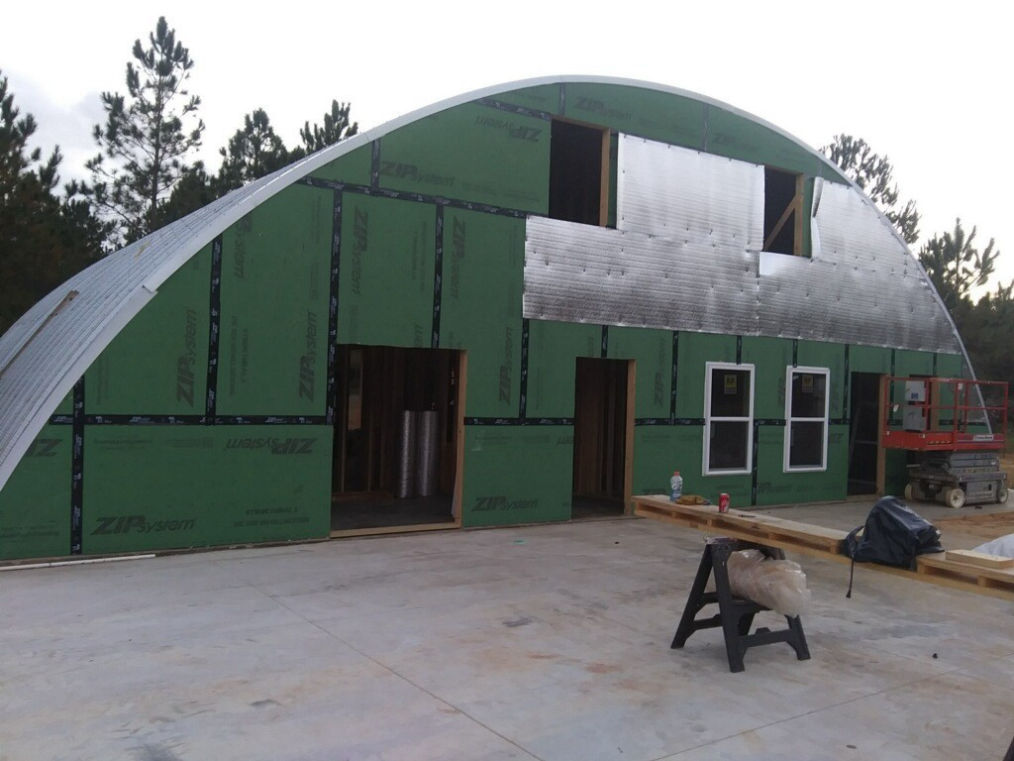
One of the most common questions we hear before someone orders a quonset hut or arch steel building is simple: do I need a permit for this? The honest answer is that it depends — permitting is set at the state, county, and sometimes city level, and requirements vary widely across the country. Here's how to think through it, and what actually determines whether a permit applies to your project.
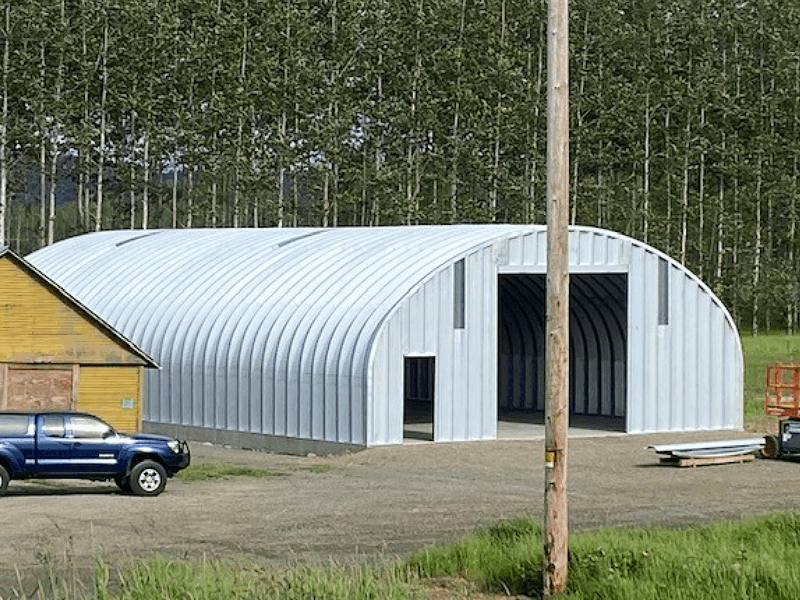
Indoor riding arenas have specific structural demands that most building types struggle with: wide, unobstructed interior space, enough height for a rider on horseback, and a structure durable enough to handle years of dust, moisture, and heavy use without deteriorating. Arch steel buildings check all three boxes, which is why they've become a common choice for equestrian facilities, boarding barns, and training arenas across the country.
Duro Span offers several arch building series, and the names alone don't tell you much. If you're comparing options for the first time, here's a straightforward breakdown of the three most commonly requested series — Q, S, and G — and where each one fits best.
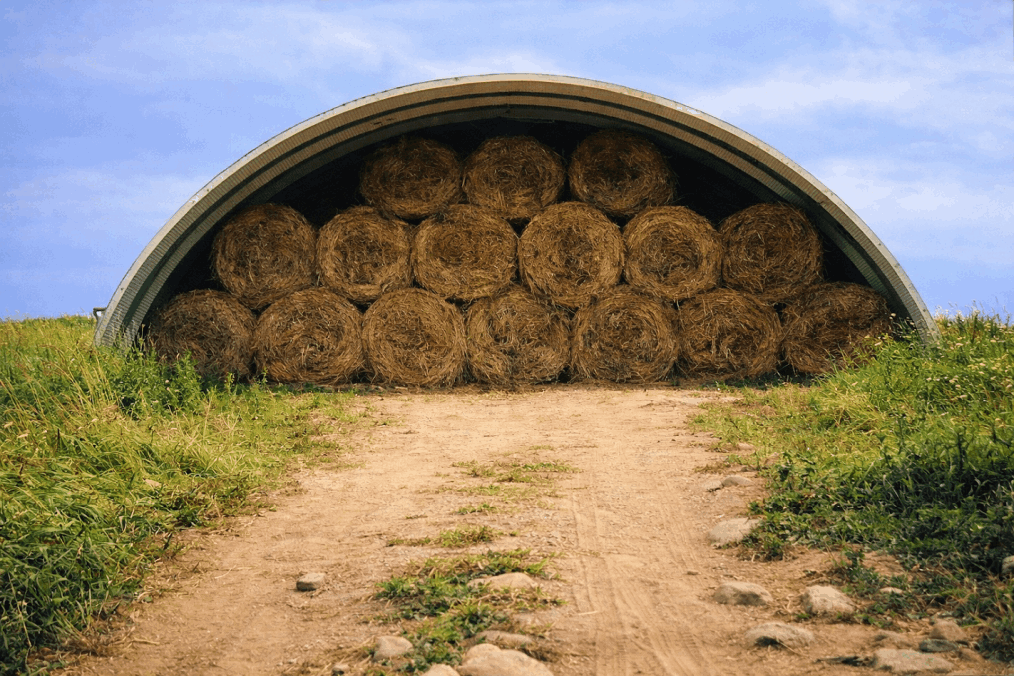
If you're planning a new structure for storage, a workshop, or agricultural use, two options usually rise to the top of the list: a wood-framed pole barn or a steel arch building. Both get you a large, affordable structure fast. But the similarities mostly end at the foundation. Here's how they actually compare once you look past the sticker price.
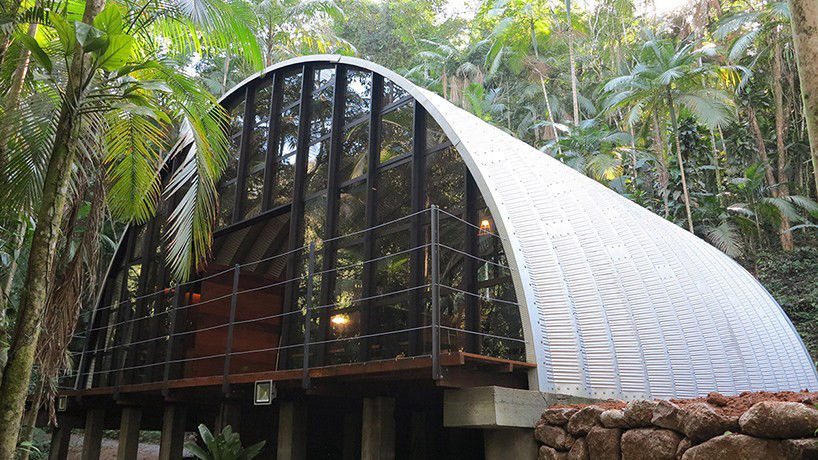
Quonset hut homes have moved from military surplus novelty to genuine residential option — and for good reason. Arch steel building homes offer unique aesthetics, exceptional durability, and a construction cost that's often well below traditional stick-built housing. Here's everything you need to know before making the leap.
A personal garage is one of the most valuable additions you can make to a residential property — but traditional construction costs can be prohibitive. An arch steel building kit from Duro Span offers a faster, more affordable path to the garage you've always wanted, and it's engineered for confident DIY assembly.

Understanding the difference between Galvalume and galvanized steel helps you choose a more durable arch steel building. Duro Span uses Galvalume steel for superior corrosion resistance.
When shopping for an arch steel building kit or quonset hut, you'll encounter two common steel coatings: Galvalume and galvanized. Both provide corrosion protection, but they perform very differently over a building's lifetime. Understanding the difference helps you make a smarter, longer-lasting investment.

When it comes to protecting equipment, hay, livestock, and crops, farmers need structures that are durable, affordable, and fast to build. That's why arch steel buildings have become one of the most popular agricultural storage solutions in America.

Quonset hut kits have been a trusted building solution for over 80 years — from military use during World War II to modern farms, workshops, and even off-grid homes. If you're considering a quonset hut, this guide will walk you through everything you need to know before you buy.